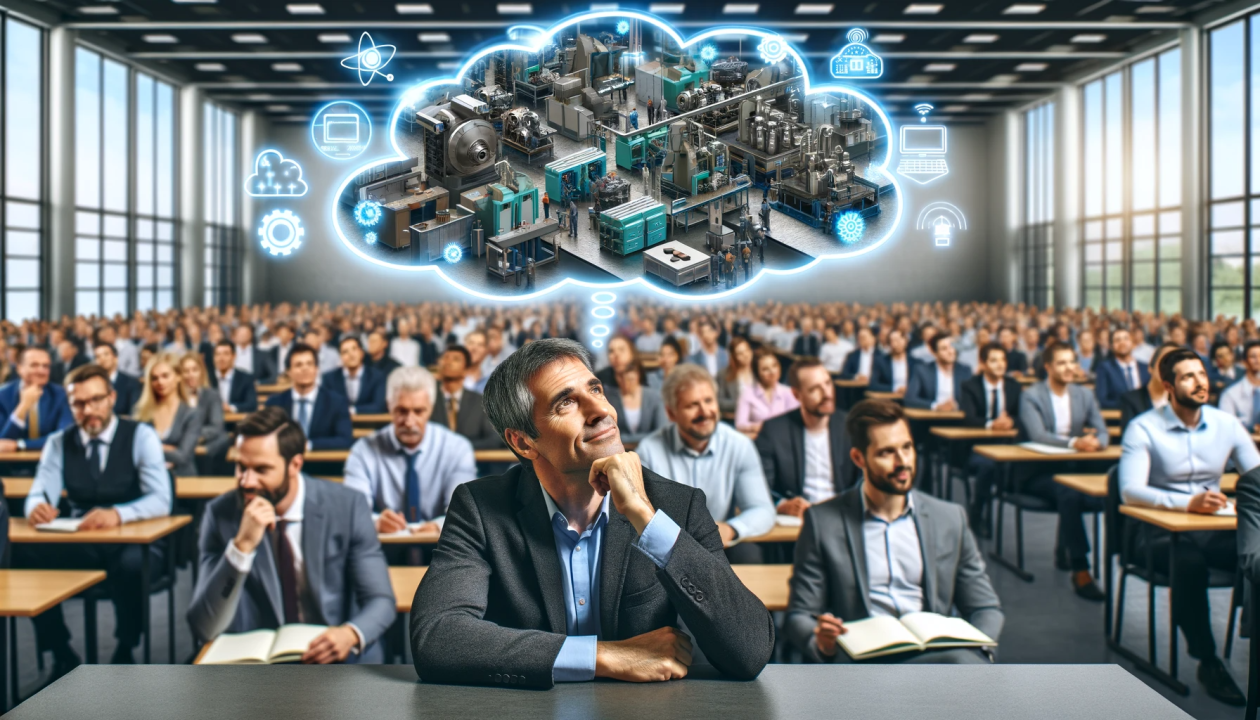
The global manufacturing landscape is undergoing a massive paradigm shift. The traditional concept of a factory floor defined by isolated machinery, manual oversight, and reactive maintenance is fading into history. In its place, highly integrated ecosystems have emerged geographical and economic hubs where hardware, software, artificial intelligence, and deep connectivity converge to drive the next generation of physical production.
These networks, often referred to as industrial tech ecosystems, are reshaping global trade, accelerating gross domestic product (GDP) growth, and determining which nations will lead the global economy. For digital publishers, technology enthusiasts, and industry investors, understanding where these advanced systems thrive is essential for capturing search engine traffic and staying ahead of market shifts.
Defining an Industrial Tech Hub
An industrial technology ecosystem is not just a collection of factories located in the same city. Instead, it is a complex, self-sustaining network comprising heavy machinery manufacturers, cloud software developers, advanced connectivity providers, research institutions, and venture capital firms.
When these distinct entities operate in close proximity, they accelerate the development of industrial artificial intelligence (AI), software-defined automation, and operational technology (OT) cybersecurity platforms.
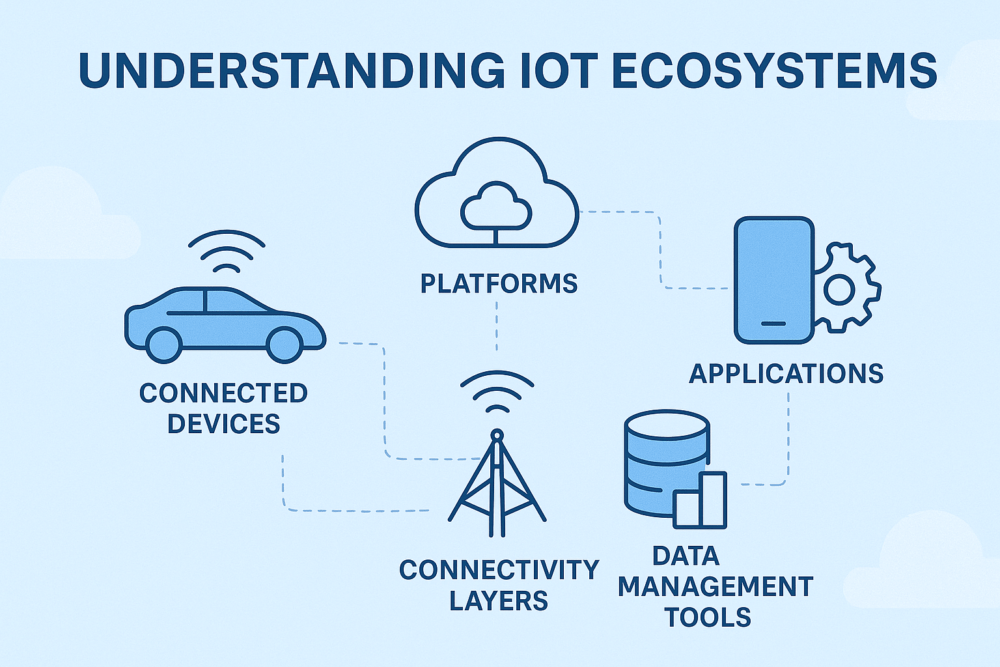
The absolute baseline for a world-class industrial hub relies on three main layers:
A. The Hardware Infrastructure: This includes the heavy machinery, robotic arms, programmable logic controllers (PLCs), and advanced semiconductors that perform physical tasks on the assembly line.
B. The Software and Connectivity Layer: This layer encompasses industrial DataOps platforms, cloud computing networks, and local 5G connectivity that gather, organize, and contextualize operational data.
C. The Intelligence Framework: This represents the localized AI models, predictive analysis programs, and agentic platforms that use data to optimize factory performance automatically.
Global Standouts in Technical Manufacturing
Several geographic regions have built dominant frameworks that blend traditional manufacturing with high-growth technology sectors. These locations attract billions of dollars in venture capital, maintain exceptionally high AI readiness scores, and account for a significant percentage of their respective nations’ economic output.
1. Singapore: The Global Benchmark
Singapore stands as a premier tech ecosystem outside the United States. Despite its limited geographic size, the city-state has successfully transformed its economy into an automation powerhouse.
A. Economic Intensity: Medium and high-tech manufacturing accounts for an impressive 85.5% of Singapore’s gross domestic product.
B. AI Integration: The country leads the world with an AI readiness index score of 81.97, making its industrial facilities some of the most digitally advanced globally.
C. Policy Support: Government initiatives like the Research, Innovation, and Enterprise (RIE) plans ensure continuous funding for deep tech, semiconductor fabrication, and automated logistics networks.
2. South Korea: The Hardware and Silicon Giant
South Korea has long been a global leader in consumer electronics and heavy industries, but its transition to an integrated industrial tech ecosystem has solidified its market position.
A. Manufacturing Footprint: High-tech manufacturing drives 64.39% of South Korea’s gross domestic product.
B. Venture Capital Flow: The nation commands over $2.21 billion in venture capital investments targeting artificial intelligence and deep-tech manufacturing.
C. Conglomerate Synergy: The presence of giant conglomerates (chaebols) ensures that advances in semiconductor development immediately benefit automated automotive production and smart factory designs.
3. Japan: The Precision Automation Powerhouse
Japan remains the structural foundation of industrial robotics and precision engineering. Its ecosystem combines decades of mechanical mastery with modern data networks.
A. Robotic Leadership: Japan boasts a high concentration of market leaders in robotics and control components, including FANUC Corporation and Yokogawa Electric.
B. GDP and AI Balance: High-tech manufacturing makes up 54.67% of Japan’s GDP, supported by a solid AI readiness index of 75.08.
C. Capital Investment: Over $1.38 billion in venture funding flows directly into industrial AI development, cementing Japan’s third-place global rank in ecosystem growth.
4. Germany: The Birthplace of Industry 4.0
Germany is the historical and operational heart of European industrial technology, driven by its world-renowned engineering firms and specialized software vendors.
A. Industrial Density: High-tech manufacturing claims a 57.98% share of Germany’s GDP, the highest among major Western European nations.
B. Technology Heavyweights: Dominated by legacy titans like Siemens, Germany’s ecosystem sets the global standard for industrial software, virtual PLCs, and factory automation systems.
C. The DataOps Influx: Germany has become a hotbed for specialized Industrial DataOps providers like Cybus and United Manufacturing Hub (UMH), which help factories organize complex machine data.
Core Technologies Driving Market Growth
The success of these top ecosystems relies heavily on a few core software and hardware innovations. These technologies have changed the way factory owners look at data, operational security, and machine efficiency.
Industrial DataOps and Contextualization
Modern factories produce terabytes of raw data every day from thousands of sensors, machines, and software applications. However, raw data is useless if it cannot be read or understood. Industrial DataOps providers solve this bottleneck by automating the contextualization of Information Technology (IT) and Operational Technology (OT) data.
A. System Integration: DataOps tools bridge the gap between low-level field devices like Programmable Logic Controllers (PLCs) and high-level corporate systems like Enterprise Resource Planning (ERP) and Manufacturing Execution Systems (MES).
B. AI Preparation: By cleaning and labeling machine data automatically, DataOps solutions ensure that corporate data pipelines are fully optimized for machine learning models.
C. Market Expansion: Specialized vendors, including Highbyte in the United States, Litmus, and Soffico in Europe, are seeing massive commercial growth as manufacturers realize that clean data is mandatory for any AI strategy.
The Evolution of Digital Twins
Digital twins have advanced beyond static 3D computer models used merely for visualizing warehouse layouts. Today, they function as dynamic, AI-driven, executable environments that react to real-world changes instantly.
A. Closed-Loop Execution: Modern digital twins receive real-time operational data from the factory floor, simulate millions of alternative operational pathways, and send optimized instructions directly back to the physical machines without human intervention.
B. Virtual commissioning: Engineers can simulate and test entire assembly processes in a digital sandbox before purchasing physical components, reducing setup errors and cutting capital expenditures by up to 30%.
C. Fleet Management: Companies can link multiple factory twins across different continents to a single cloud platform, allowing executive teams to monitor and adjust global production lines simultaneously.
+------------------+     Real-Time Data Streams     +-------------------+
|  Physical Plant  | -----------------------------> |   Digital Twin    |
|  (Sensors, PLCs) | <----------------------------- | (AI Sandbox, ML)  |
+------------------+   Automated Optimization Tools +-------------------+
From Predictive to Prescriptive Maintenance
Predictive maintenance has been an industry goal for years, using sensor data to forecast when a mechanical part might break. However, top industrial ecosystems are moving toward prescriptive maintenance models.
A. Automated Action Frameworks: While predictive models simply issue a warning that a bearing is overheating, prescriptive systems calculate the remaining lifecycle, order a replacement part through the ERP software, and rewrite the machine’s running code to reduce friction until the technician arrives.
B. Reduced Downtime: Implementing prescriptive maintenance models can lower unplanned factory downtime by 45%, saving large manufacturing corporations millions of dollars annually.
C. Enhanced Safety: By addressing structural or mechanical anomalies before they lead to catastrophic equipment failures, these intelligent frameworks dramatically lower workplace accident rates.
The Rise of Industrial Generative AI
Generative AI (GenAI) has moved past simple chatbots and code assistants. Industrial tech ecosystems have integrated GenAI directly into specialized engineering workflows, plant operations, and supply chain logistics.
Monetization Models for Industrial GenAI
Software vendors have begun successfully charging for specialized generative AI features built specifically for manufacturing environments. This shifts AI from an experimental project to a concrete business tool.
A. Fixed Subscriptions: Systems like the Siemens Eigen Agent utilize fixed subscription structures, allowing plants to pay a predictable fee per user annually to give engineers access to advanced troubleshooting assistants.
B. Bundled Support Services: Companies like ABB offer tools like My Measurement Assistant+, bundling advanced automated hardware monitoring with ongoing operational support.
C. Consumption-Based Credits: Technology corporations like SAP deploy models like Joule for manufacturing, where companies pay only for the exact amount of computational power and cloud credits they use during operational tasks.
Industrial Agentic AI Platforms
The newest battleground for technology leadership involves industrial agentic AI platforms. Unlike traditional software that requires human inputs for every action, agentic systems use autonomous AI agents capable of planning, reasoning, and executing complex workflows across multiple software platforms.
A. Fleet Orchestration: Agentic platforms manage entire fleets of autonomous mobile robots (AMRs) and automated guided vehicles (AGVs) across multiple warehouse locations, optimizing transport paths dynamically based on real-time order volumes.
B. Enterprise Cloud Foundations: Running these massive agent architectures requires secure, highly integrated enterprise cloud infrastructure, driving closer partnerships with foundational technology platforms like Microsoft Azure, Microsoft Fabric, and Amazon Web Services.
C. Natural Language Operation: Factory operators can interact with intricate production systems using conversational speech, asking the AI agent to run diagnostic reports or adjust output speeds without needing complex programming knowledge.
Macro Trends Shaping Industrial Tech Investment
The explosive expansion of these ecosystems is closely linked to several global geopolitical, economic, and environmental shifts.
1. Diversification Beyond Traditional Manufacturing
Industrial manufacturers are shifting their core business models to look for growth opportunities outside traditional assembly line production. Research indicates that manufacturing firms expect up to 44% of their revenues to originate from non-traditional, software-driven, or service-rich markets by 2030.
A. Manufacturing-as-a-Service (MaaS): Instead of selling machinery outright, equipment vendors retain ownership of the hardware and lease production capacity to clients, charging based on exact usage metrics.
B. Ecosystem Partnerships: Fast, innovative, “future-fit” companies increasingly cite ecosystem collaboration as a top growth strategy. These manufacturers prioritize cross-sector partnerships with technology providers, defense aerospace firms, and utility companies.
C. Software Licensing: Legacy engineering corporations are building proprietary software solutions, transforming themselves into software vendors that sell specialized automation tools and custom AI models.
2. Supply Chain Security and Cleantech
Geopolitical tensions and resource scarcity have made supply chain resilience a matter of national security. Industrial tech hubs are focusing heavily on cleantech innovations to reduce dependencies on single-source suppliers.
A. Critical Mineral Processing: Technologies that enable the decentralized processing of battery materials are attracting significant venture capital. For instance, companies like ElectraLith and Mangrove Lithium are refining battery-ready lithium hydroxide without harsh chemicals, matching the costs of centralized processing hubs.
B. Circular Manufacturing: Modern ecosystems incorporate automated sorting and material recycling systems directly into production loops, keeping valuable metals and electronics in constant circulation.
C. Green Patent Generation: Manufacturing firms serve as a core engine for environmental research, holding roughly 60% of all green patents globally. This focus helps industries meet strict international decarbonization goals while lowering operating costs.
3. The Critical Urgency of OT Cybersecurity
As industrial operations become more interconnected and heavily reliant on cloud platforms, they become prime targets for sophisticated cyberattacks. This has forced ecosystems to prioritize operational technology (OT) cybersecurity.
A. Regulatory Compliance: Strict data sovereignty acts and updated cybersecurity laws force manufacturing companies to prove their digital infrastructure is secure against corporate espionage and state-sponsored attacks.
B. Virtual Air-Gapping: Because legacy factory equipment was never designed to connect to the open internet, security providers are creating advanced virtual networks that shield sensitive machine controls from external digital networks.
C. Zero-Trust Architectures: Hubs are implementing strict zero-trust security profiles, requiring constant verification for every single connected device, sensor, or automated agent on the factory floor.

Critical Challenges Facing Top Hubs
Despite rapid technological progress and massive capital investments, several major bottlenecks threaten to slow down the expansion of global industrial tech hubs.
The AI-Ready Data Bottleneck
While data contextualization tools are growing quickly, the sheer volume of legacy machinery across global factories remains a major obstacle.
A. Brownfield Compatibility: Implementing software-defined automation in older, decades-old “brownfield” factories is incredibly difficult. Replacing or upgrading legacy PLCs requires significant capital and carries high operational risks.
B. Data Silos: Many equipment manufacturers still use proprietary data formats, blocking seamless integration and preventing factories from building unified data frameworks.
Specialized Talent Shortages
The transformation of the factory floor means that traditional manufacturing jobs are being replaced by highly technical positions. This has resulted in severe labor shortages across all major ecosystems.
A. High-Demand Roles: Software developers, IT consultants, and cybersecurity analysts remain in extremely short supply across industrial hubs.
B. The Deep Tech Talent Deficit: The hardest roles to fill are specialized artificial intelligence engineers, machine learning experts, cloud architects, and data scientists. Without these professionals, hubs cannot build or maintain complex autonomous systems.
Summary and Key Structural Insights
The world’s leading industrial tech ecosystems are no longer defined solely by physical output or cheap labor costs. Instead, modern industrial dominance belongs to regions that can seamlessly merge deep software expertise, advanced automation, and secure data pipelines with physical production lines.
| Industrial Ecosystem | Key Economic Strength | Primary Tech Driver | Major Market Bottleneck |
| Singapore | High tech makes up 85.5% of GDP | Top-tier AI readiness (81.97) | Limited physical land and space |
| South Korea | Vast venture capital backing ($2.21B) | Semiconductor innovation | Reliance on large corporate groups |
| Japan | Global leadership in physical robotics | Precision component engineering | Aging domestic workforce |
| Germany | Deep historical engineering foundations | Advanced Industrial DataOps platforms | Upgrading old brownfield plants |
As manufacturers look for growth outside traditional business lines, the reliance on secure cloud frameworks, prescriptive maintenance networks, and autonomous AI agents will only intensify. The regions that successfully solve the engineering talent shortage and secure their data pipelines will dictate the future of global production.