
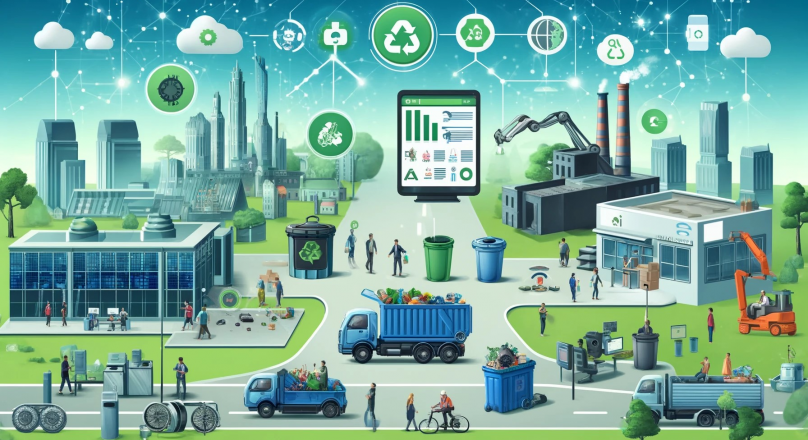
The world is currently navigating a convergence of unprecedented global challenges. From the accelerating impacts of climate change to severe supply chain bottlenecks, modern society faces systemic pressure. Fortunately, a massive technological shift offers viable answers. By integrating advanced systems like Artificial Intelligence (AI), the Internet of Things (IoT), and high-capacity data processing frameworks, humanity is building powerful defenses against these systemic vulnerabilities.
This comprehensive analysis explores how cutting-edge technology directly targets the most demanding crises of our era.
1. The Carbon and Climate Conundrum
Climate change remains an overarching existential threat, disrupting standard weather patterns and endangering human habitats. Conventional mitigation approaches frequently run into economic friction or suffer from slow execution. However, digital infrastructure transforms how we handle environmental threats by enabling precise measurement and rapid response.
Intelligent Energy Systems
Traditional power networks are notoriously inefficient, heavily reliant on fossil fuels, and ill-equipped to handle the variable nature of renewable energy sources. Smart microgrids present a modern solution to these limitations.
These decentralized power systems utilize predictive AI models to calculate real-time energy demand and optimize renewable integration. By constantly monitoring weather patterns and historical consumption data, intelligent grids distribute solar and wind power exactly where and when it is needed, drastically minimizing reliance on backup coal or gas plants.
Industrial Carbon Intelligence
Heavy manufacturing industries contribute a staggering percentage of global greenhouse gases. To address this, factories are deploying IoT sensor matrices across their production lines. These sensors continuously monitor equipment emissions, energy draw, and mechanical wear. Predictive analytics platforms analyze this data stream to identify operational anomalies that cause excess emissions. Consequently, facilities can perform preventative maintenance, reducing energy waste and keeping industrial outputs well within strict environmental compliance standards.
2. Agriculture and Food Security Vulnerabilities
A growing global population combined with unpredictable weather cycles places extreme stress on global food production. Traditional farming methods struggle to remain sustainable while trying to keep up with surging demands. Smart agriculture changes the dynamic by converting farming from an approximation game into a highly optimized data science.

Precision Farm Autonomy
Instead of applying water, fertilizer, and pesticides uniformly across an entire field, farmers use precision automation systems. Advanced agricultural drones equipped with multispectral cameras scan large swathes of farmland. They spot early signs of crop disease, pest infestations, or nutrient deficiencies long before they are visible to the human eye. This allows farmers to treat only the affected plants, preventing widespread crop failure while keeping chemical run-off to an absolute minimum.
Supply Chain Preservation
Food insecurity is often compounded by poor logistics rather than low production numbers. A significant portion of harvested food spoils before it ever reaches a consumer’s plate. Smart cold chains mitigate this loss by utilizing specialized IoT tracking tags. These devices continuously record temperature, humidity, and location throughout the entire transit process. If a refrigeration unit malfunctions on a delivery truck, the system immediately alerts the logistics coordinator, allowing them to reroute the vehicle or fix the temperature anomaly before the cargo goes to waste.
3. Water Scarcity and Infrastructure Strain
Clean drinking water is becoming an increasingly rare commodity worldwide. As prolonged droughts drain natural reservoirs and urban infrastructure crumbles, municipal water systems waste billions of gallons daily due to undetected infrastructure failures.
Automated Leakage Mitigation
Undetected underground pipe bursts lose incredible amounts of processed water. Modern municipalities are resolving this issue by embedding acoustic sensors and pressure monitors directly into water mains. Algorithms analyze the sound frequencies and pressure drops within the pipes to identify the exact location of structural cracks. This allows maintenance crews to patch micro-leaks long before a catastrophic rupture occurs, preserving millions of gallons of clean municipal water.
Wastewater Recycling Optimization
Industrial and municipal wastewater treatment facilities rely heavily on precise chemical processes. Smart control systems utilize real-time optical and chemical sensors to evaluate water purity at every phase of filtration. By automatically adjust chemical dosages and aeration levels based on current pollutant concentrations, these smart systems ensure treated water safely meets irrigation or industrial reuse standards, reducing reliance on freshwater extraction.
4. Healthcare Crisis Management
Global healthcare systems face persistent challenges, including staffing shortages, skyrocketing operational expenses, and the constant threat of infectious outbreaks. Smart technology helps alleviate this systemic pressure by shifting medical care from reactive treatment to proactive management.
Proactive Clinical Systems
Doctors and nurses are often overwhelmed by sheer data volume, which can lead to delayed diagnoses. Machine learning algorithms assist by quickly scanning thousands of patient medical records, lab results, and diagnostic images in seconds. These tools highlight subtle patterns—such as minor anomalies in an EKG or a faint spot on a chest X-ray that point to early-stage conditions. This early warning enables medical teams to intervene sooner, improving patient outcomes and lowering long-term hospitalization costs.
Remote Patient Monitoring
Managing chronic illnesses places a massive, continuous burden on hospital capacity. Wearable medical devices allow high-risk patients to live safely at home while remaining under medical supervision. These compact sensors continuously track vital signs such as heart rate, oxygen saturation, and blood glucose levels. If a patient’s metrics deviate from safe boundaries, the system automatically alerts their doctor, preventing emergency complications and freeing up critical hospital beds for acute trauma cases.
5. Economic Stability and Logistics Defenses
Global trade networks are highly complex and easily disrupted by regional conflicts, extreme weather, or labor shortages. When logistics systems stall, consumer prices skyrocket, and manufacturing lines grind to a halt. Smart orchestration platforms provide the visibility needed to keep modern supply chains resilient.
/industry-wired/media/post_attachments/wp-content/uploads/2019/03/Save-the-environment-with-these-AI-innovations.jpg)
Dynamic Logistics Routing
When a major shipping port shuts down unexpectedly, standard supply chains can freeze for weeks. AI-driven logistics engines prevent these logjams by continuously analyzing real-time global trade parameters, including port congestion metrics, maritime weather data, and customs delays. If a bottleneck forms along a specific trade lane, the software instantly calculates alternative shipping routes and coordinates container changes automatically. This keeps global commerce moving predictably despite local disruptions.
Predictive Factory Operations
Unexpected machinery breakdowns can derail entire manufacturing sectors. Heavy industries use predictive maintenance frameworks to avoid these sudden production stops. Vibration and thermal sensors attached to critical machinery detect tiny operational shifts that signal internal component wear. The software schedules maintenance during natural production lulls before a physical break occurs. This proactive approach extends equipment lifespans and protects the broader economy from sudden material shortages.
Conclusion: Designing a Resilient Tomorrow
The complex global crises facing society today cannot be resolved by relying on outdated methods. Smart technology provides the specialized tools required to build a sustainable, shock-resistant global infrastructure. By leveraging data analytics, automation, and intelligent resource distribution, humanity can systematically overcome environmental, agricultural, and economic challenges. Embracing these advanced technological platforms is not merely an operational upgrade; it is the vital strategy needed to safeguard our collective future.