
The digital landscape is undergoing a seismic shift, one that promises to redefine the very fabric of human interaction, commerce, and creativity. At the forefront of this revolution is Meta Platforms, which has officially launched its comprehensive and interconnected metaverse ecosystem. This global rollout represents far more than a simple product update; it is the activation of a foundational framework for a persistent, shared, and immersive digital universe. Moving beyond the two-dimensional confines of today’s internet, Meta’s vision positions the metaverse as the inevitable successor to the mobile web a spatial computing environment where the physical and digital worlds converge. This article provides an in-depth exploration of the key components, strategic implications, and profound societal potential of Meta’s now-live metaverse ecosystem.
For years, the concept of the metaverse has simmered in the realms of science fiction and tech speculation. Today, under Meta’s stewardship, it transitions from abstract theory into tangible, accessible reality. This ecosystem is not a single application but an intricate network of interoperable platforms, devices, and social protocols designed to facilitate new forms of presence and shared experience. It is built on the premise that the next chapter of human connection will be embodied, allowing individuals to feel as if they are truly with others, regardless of physical distance. The launch signifies Meta’s monumental bet that the future of the company and indeed, of online life lies in this immersive dimension.
A. The Foundational Infrastructure: Hardware and Interoperability
The gateway to any immersive experience is the hardware that transports users from their living rooms into boundless digital realms. Meta’s ecosystem launch is underpinned by its advanced family of devices, designed to be both accessible and powerful.
A.1 Next-Generation VR/AR Headsets: The cornerstone of access is the latest generation of Meta Quest devices. These all-in-one headsets offer untethered freedom, high-resolution displays, and sophisticated inside-out tracking that maps the user’s physical environment. More than just gaming peripherals, they are positioned as productivity tools, social portals, and fitness devices. The integration of features like high-fidelity color passthrough begins to blend augmented and virtual reality, laying the groundwork for mixed-reality experiences where digital objects are anchored convincingly in the user’s real-world space.
A.2 The Interoperability Promise: A critical distinction of this ecosystem launch is its emphasis on interoperability a core tenet of a true metaverse. Meta is championing open standards and protocols that aim to allow digital assets, avatars, and identities to traverse different experiences and, eventually, other compatible platforms. This means a virtual accessory purchased in one environment could be worn by your avatar in another, and your social graph could persist across applications. This move away from today’s walled-garden app stores is a strategic effort to foster a more cohesive and valuable digital universe, increasing user investment and freedom.
B. The Social Heartbeat: Horizon Worlds and Avatars
At its core, Meta’s strength has always been social connection. The metaverse ecosystem amplifies this through immersive social platforms and expressive digital identities.
B.1 Horizon Worlds as a Social Platform: The flagship social experience, Horizon Worlds, has evolved into a vast, user-generated network of interconnected worlds and spaces. It functions less like a single game and more like a social operating system. Users can jump between a comedy club, a business meeting room, a fantasy adventure, or a quiet beach all populated by other real people in real-time. The platform’s robust creation tools empower users to build their own environments and activities without needing to code, fostering a dynamic, ever-expanding landscape of content driven by community creativity.
B.2 The Evolution of Avatars: The avatar is your body in the metaverse. Meta has invested heavily in creating highly expressive, customizable, and realistic avatars. Utilizing advanced neural network models, these avatars now feature nuanced eye tracking, natural facial expressions mirroring the user’s own (via headset sensors), and lifelike gestures. This dramatically enhances non-verbal communication, allowing for subtle cues like a glance, a smirk, or a nod to be transmitted, making digital interactions feel significantly more authentic and empathetic than a video call.
C. The Economic Engine: Commerce, Creators, and the Digital Economy

A sustainable metaverse must have a thriving economy. Meta’s ecosystem launch introduces comprehensive frameworks for commerce and creator monetization, aiming to establish a vibrant digital marketplace.
C.1 Virtual Commerce and Digital Goods: Users can purchase a wide array of digital goods, from fashion items for their avatars (digital wearables) to decorative elements for their personal spaces. This commerce is facilitated through a secure, integrated digital payment system. Brands and designers are already establishing virtual storefronts, selling limited-edition digital apparel and accessories. This not only creates new revenue streams but also allows for novel forms of self-expression and status within digital communities.
C.2 Empowering Creators with Monetization Tools: To fuel content creation, Meta provides creators with a suite of monetization tools. This includes the ability to sell access to premium worlds, offer paid events or experiences, and receive direct support from fans. A key initiative is the Horizon Creator Fund, which provides financial grants and resources to talented developers and artists building within the ecosystem. This direct investment is designed to attract top-tier talent and ensure a steady stream of high-quality, diverse experiences for users.
D. Beyond Social: Productivity, Wellness, and Education
While socializing and entertainment are primary drivers, the ecosystem’s utility extends into profound areas that impact daily life.
D.1 The Future of Remote Work: Imagine attending a virtual board meeting where 3D data models can be manipulated by the group, or collaborating on a architectural design while standing inside a life-scale holographic projection of the building. Meta’s ecosystem, through applications like Horizon Workrooms and partnerships with enterprise software providers, is reimagining remote collaboration. It aims to restore the spatial, serendipitous, and collaborative advantages of in-person work that are lost in grid-based video calls, potentially boosting creativity and productivity.
D.2 Immersive Fitness and Wellness: The metaverse becomes a personal gym and wellness retreat. Fitness applications within the ecosystem transform exercise into engaging games, transporting users to scenic mountains for a cycling session or leading them through a rhythmic boxing workout with a virtual trainer. This gamification and change of environment can increase motivation and consistency. Furthermore, meditation and mindfulness apps offer deeply immersive relaxation experiences, using calming visuals and spatial audio to facilitate stress relief and mental well-being.
D.3 Transformative Educational Experiences: Education stands to be revolutionized. Students can take a field trip to ancient Rome, walking through a historically accurate reconstruction. Medical students can practice complex surgical procedures on detailed virtual cadavers. Physics students can visualize and interact with gravitational forces or molecular structures in 3D space. This experiential learning leads to dramatically improved knowledge retention and understanding, making education more accessible and engaging for learners of all ages.
E. Navigating the Challenges: Privacy, Safety, and Ethical Considerations
The launch of such a pervasive platform is not without significant challenges that Meta must continuously address.
E.1 Privacy in an Immersive World: The data collected in the metaverse is exponentially more sensitive than traditional web data. It includes biometric information, movement patterns, gaze tracking, and even emotional responses inferred from avatar expressions. Meta has implemented a suite of privacy controls, including personal boundary features to prevent unwanted avatar proximity, and clear indicators when recordings are happening. The company faces the ongoing task of building robust, transparent data governance models that earn user trust in this deeply personal environment.
E.2 Safety, Moderation, and Digital Civility: Creating a safe environment is paramount. The ecosystem employs a multi-layered safety approach: automated AI systems to detect policy violations, human moderators, and user-controlled safety tools like block, mute, and report. A critical innovation is the “Voice Mode” that allows users to selectively choose who can hear their real voice, otherwise communicating through pre-set audio emotes. Establishing clear community standards and effective, scalable moderation for real-time, voice-based interactions in millions of user-generated spaces remains one of the ecosystem’s most complex and critical undertakings.
F. The Strategic Roadmap and Long-Term Vision
This launch is not an endpoint, but a massive starting line. Meta’s roadmap points toward several ambitious future developments.
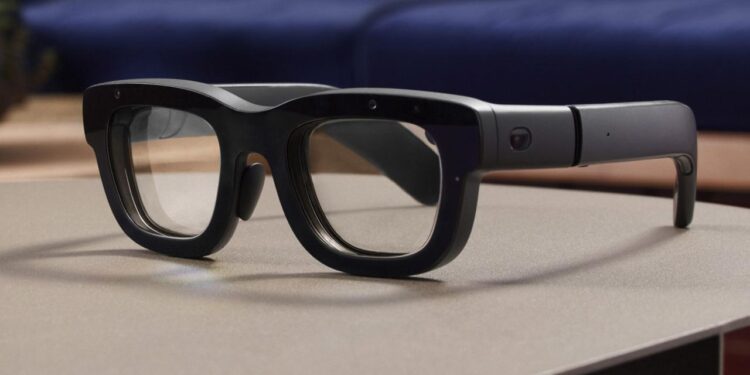
F.1 The Path to Full Augmented Reality (AR): The ultimate goal is lightweight, stylish augmented reality glasses that overlay digital information seamlessly onto the physical world. The current VR-focused ecosystem is a crucial stepping stone, developing the software, social norms, and use cases that will eventually migrate to AR. This transition will make the metaverse a constant, context-aware layer on top of everyday reality, changing how we navigate cities, access information, and interact with our surroundings.
F.2 Integration with AI and Neural Interfaces: The ecosystem will be deeply augmented by advanced artificial intelligence. AI will power more intelligent and responsive NPCs (non-player characters), assist in world-building for creators, and provide personalized guides and services. Looking further ahead, research into wrist-based neural interfaces aims to allow control of digital devices through subtle hand gestures and eventually, direct neural signals, moving toward a future where the interface between thought and action becomes seamless.
Conclusion: The Dawn of a New Digital Epoch

The official global launch of Meta’s integrated metaverse ecosystem marks a pivotal moment in technological history. It is the crystallization of a bold vision to build the next major computing platform one centered on human connection and shared experience. While challenges around privacy, safety, and equitable access are substantial and require vigilant attention, the potential benefits are transformative. From rehumanizing remote communication and unleashing new creative economies to revolutionizing learning and wellness, the applications extend far beyond leisure.
This ecosystem invites us to imagine a future where distance is no barrier to shared presence, where creativity is unbounded by physical materials, and where our digital and physical selves are more harmoniously integrated. Meta has now activated the foundational layers of this future. The subsequent chapters will be written collectively by the billions of users, creators, and developers who choose to step in, build, connect, and define what the metaverse will ultimately become. The platform is live; the virtual frontier is open. The journey into this interconnected digital universe has formally begun.