The concept of a direct communication pathway between a wired brain and an external device has long been a mainstay of science fiction. For decades, the prevailing image of a Brain-Computer Interface (BCI) involved a subject tethered to a bulky computer via a nest of wires and electrodes, a setup confined to sterile laboratory environments. This physical tether represented the single greatest barrier to the practical, everyday application of BCIs. However, a paradigm-shifting evolution is underway: the transition to fully wireless, high-fidelity neural communication. This shift is not merely a convenience; it is a fundamental unlock that is poised to transform neurotechnology from a niche research tool into a scalable solution with profound implications for medicine, accessibility, and human augmentation. This article delves deep into the mechanics, current breakthroughs, multifaceted applications, and the intricate ethical landscape of wireless BC technology.
A. Deconstructing the Wireless BCI: From Signals to Symphony
To appreciate the leap wireless represents, one must first understand the core components of any BCI system, now freed from their cables.
-
The Neural Signal Acquisition Frontier: At the inception of every BCI is the critical task of capturing brain signals. Wireless systems employ advanced versions of traditional methods:
-
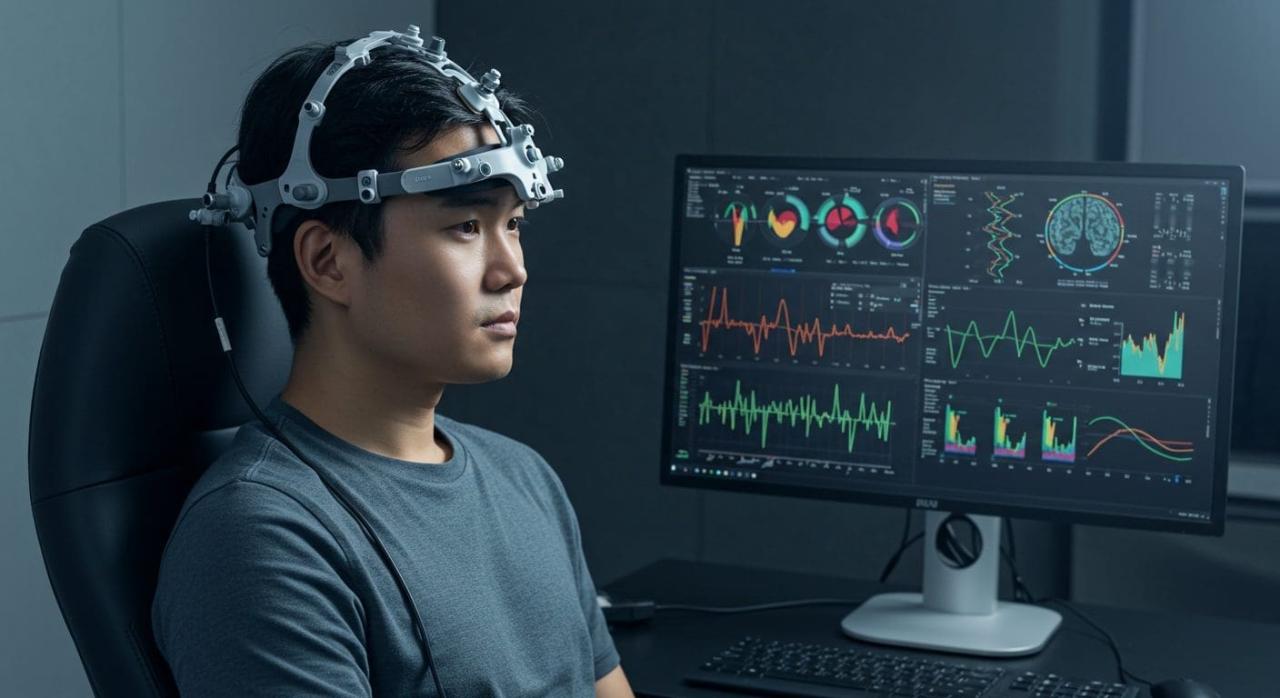
Electroencephalography (EEG): Wireless EEG caps, embedded with dry or semi-dry electrodes, now stream data via Bluetooth or custom radio protocols. The challenge has been amplifying these microvolt-scale signals without wired power and mitigating noise from muscle movement or ambient electronics a hurdle increasingly overcome by sophisticated on-board processing and noise-cancellation algorithms.
-
Intracortical Methods: This is where wireless technology makes its most revolutionary impact. Pioneering devices, like the “Stentrode” or fully implantable micro-electrode arrays, now house ultra-low-power chips that digitize neural data inside the body. These chips perform initial signal processing to extract relevant neural “spikes” or local field potentials, dramatically reducing the amount of data that needs transmission and preserving battery life.
-
-
The Onboard Intelligence Hub: The “brain” of the wireless implant is its application-specific integrated circuit (ASIC). This miniature marvel handles signal amplification, filtering, digitization, and often, the first stage of feature extraction. By processing data locally, it transmits only the most critical information such as the intent to move a cursor or select a letter rather than raw neural noise, conserving precious bandwidth and power.
-
The Silent Conduit: Wireless Transmission Protocols: Replacing the snaking cables are sophisticated bi-directional radio links. Systems often use medical-grade frequencies (like the 402-405 MHz MICS band or higher-frequency ISM bands) to beam data to an external receiver, typically a small relay device worn near the body. This relay then forwards the data to a computer or tablet for advanced decoding. Crucially, newer systems also incorporate wireless power transmission through inductive coupling or mid-field resonance, enabling indefinite operation without surgeries for battery replacement.
-
The Decoding Translator: This final software layer, often on an external device, uses complex machine learning algorithms (e.g., neural networks) to translate the stream of digital neural features into actionable commands. It learns the unique “neural dialect” of each user, continuously adapting to improve accuracy for controlling a robotic arm, a speech synthesizer, or a wheelchair.
B. The Vanguard: Breakthrough Systems Pioneering the Wireless Realm
Several landmark systems have moved from concept to clinical reality, demonstrating the tangible potential of wireless BCIs.
-
BrainGate2 with the Brown Wireless Device: A seminal trial demonstrated a paralyzed individual using a wireless-enabled intracortical BCI to control a tablet computer. The system transmitted neural data at broadband rates equivalent to a wired connection, allowing for point-and-click navigation, typing, and app usage with thought alone.
-
Synchron’s Stentrode™: This minimally invasive device is delivered via blood vessels, settling in the motor cortex. It wirelessly transmits motor commands, allowing fully paralyzed patients to send texts, email, and conduct digital commerce through a thought-driven interface, all from home.
-
Neuralink’s Precise Robotics Approach: While details are emerging, the company has showcased a wireless, high-channel-count implant placed by a specialized surgical robot. Its focus is on dense data capture and streaming, aiming to eventually facilitate complex motor restoration and possibly address sensory deficits.
-
Next-Gen Non-Invasive Wearables: Companies are pushing wireless EEG into sleek, consumer-facing headbands. These devices, focusing on meditation, focus, or sleep tracking, are normalizing the concept of everyday neural monitoring and paving the way for more advanced therapeutic applications.
C. The Transformative Impact: Unshackling Potential Across Sectors
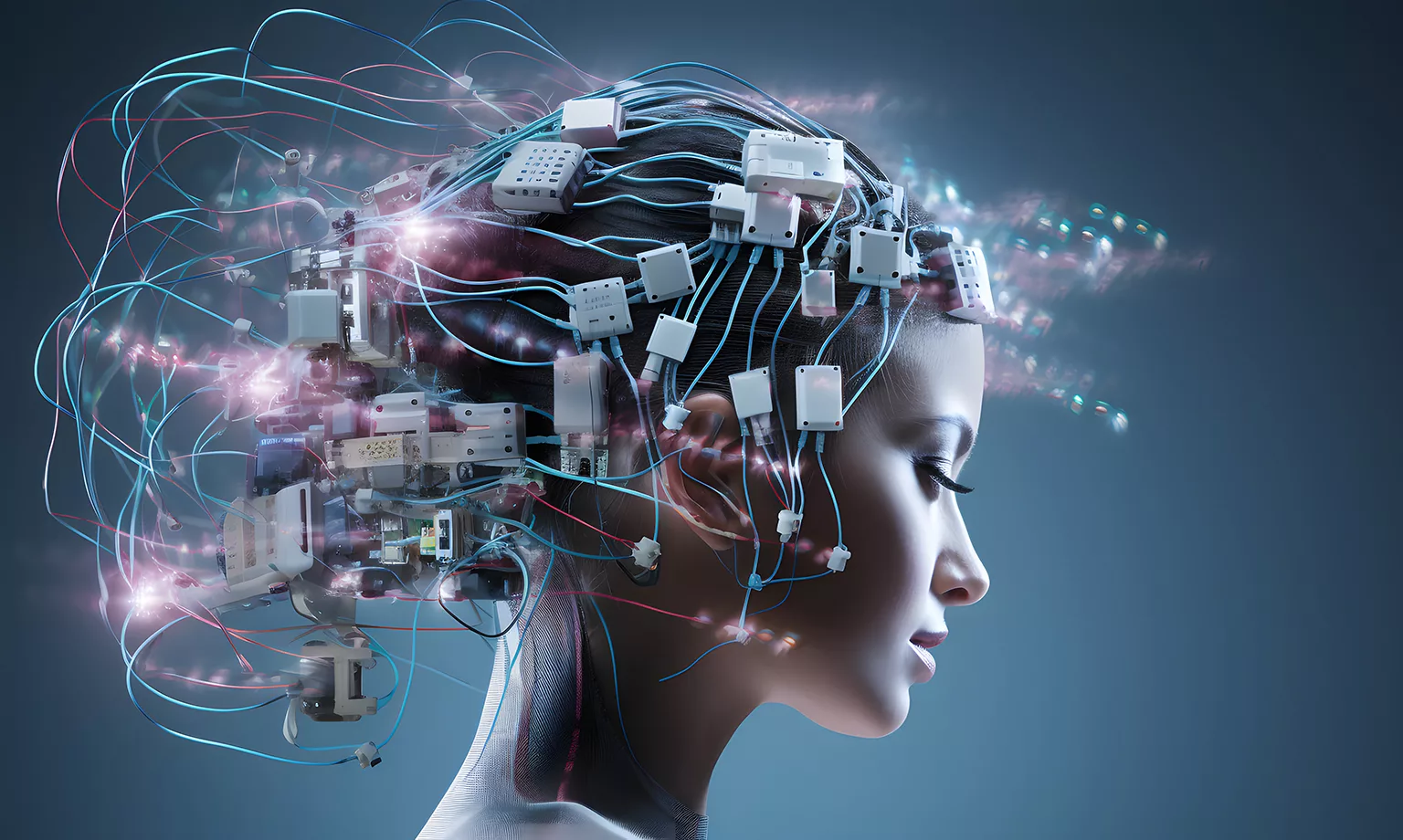
The liberation from wires catalyzes applications that were previously impractical or impossible.
-
Medical Rehabilitation and Restoration: This remains the most compelling and immediate benefit.
-
Restored Mobility and Communication: Individuals with ALS, spinal cord injuries, or brainstem stroke can operate speech neuroprosthetics and environmental control systems continuously in their homes, restoring a degree of autonomy and social connection.
-
Next-Generation Neurorehabilitation: Wireless BCIs can be used in closed-loop systems for stroke recovery. A patient’s attempt to move a paralyzed limb generates a neural signal that wirelessly triggers functional electrical stimulation (FES) of the same limb, creating a reinforced neural pathway and accelerating recovery.
-
Management of Neurological Disorders: Closed-loop systems can detect the onset of an epileptic seizure or a tremor in Parkinson’s disease and deliver responsive neurostimulation to suppress the event in real-time, all without external wiring.
-
-
The Human Augmentation Frontier: Beyond medical therapy lies enhancement.
-
Seamless Human-Computer Symbiosis: Imagine controlling complex AR/VR environments, creative software, or industrial machinery with nuanced thought commands, freeing hands for other tasks and creating intuitive control paradigms.
-
Cognitive State Monitoring: Wireless wearables could monitor levels of focus, fatigue, or stress in high-risk professions (pilots, surgeons), prompting interventions to maintain peak performance and safety.
-
-
Accelerated Neuroscientific Discovery: Wireless BCIs are a goldmine for research. They allow scientists to study brain activity during natural, complex behaviors social interactions, movement in open spaces, sleep providing ecologically valid data that was unattainable in a wired lab setting.
D. Navigating the Labyrinth: Challenges and Ethical Imperatives
The path forward is fraught with technical and profound ethical hurdles that must be addressed proactively.
Technical Hurdles:
-
Power Efficiency and Management: The holy grail is a device that lasts a lifetime. Research into ultra-low-power chips, efficient wireless power transfer, and even biofuel cells that use the body’s own glucose is critical.
-
Biocompatibility and Longevity: The immune response to chronic implants (gliosis, scar tissue) can degrade signal quality over years. Developing truly biocompatible, flexible, and “invisible” materials to the immune system is a major materials science challenge.
-
Data Security and Integrity: A wireless neural device is, in essence, a connected IoT device inside your head. Robust encryption is non-negotiable to prevent hacking, neural data theft, or malicious manipulation of device outputs. Signal interference in crowded radio spaces must also be eliminated.
The Ethical Quandary:
-
Neural Privacy and Data Sovereignty: Neural data is the ultimate private data a window into one’s intentions, emotions, and potentially unspoken thoughts. Who owns this data? How is it stored, used, or shared with insurers, employers, or law enforcement? A robust legal framework for “neuro-rights” is urgently needed.
-
Informed Consent in Vulnerable Populations: Obtaining meaningful consent from individuals with locked-in syndrome or advanced neurodegenerative diseases presents unique ethical challenges. Clear protocols and advanced directives must be developed.
-
The Enhancement Divide and Societal Equity: If wireless BCI technology first becomes available as a luxury enhancement, it risks exacerbating societal inequalities, creating a class of “neuro-enhanced” individuals. Ensuring equitable access, especially for therapeutic uses, is a paramount concern.
-
Identity, Agency, and Autonomy: As devices that can both read and potentially write to the brain evolve, questions arise. If a BCI influences mood or decision-making, where does the device end and the “self” begin? Protecting human agency and identity is perhaps the deepest philosophical challenge.
E. Gazing Into the Future: Integrated Networks and Conscious Collaboration
The long-term trajectory points toward increasingly sophisticated and integrated systems. Future wireless BCIs may evolve into “Brain-Computer-Cloud Interfaces” (BCCIs), where neural data is seamlessly processed by cloud-based AI, offering cognitive augmentation or instant knowledge access. We may see distributed networks of neural sensors communicating wirelessly with each other and with external actuators, creating a true internet of neuro-prosthetic devices within the body.
Furthermore, the concept of conscious collaboration where multiple brains wirelessly interact via a network to solve problems or share experiences moves from pure speculation into a tangible, though distant, area of exploration. This, of course, would bring its own universe of ethical and existential considerations.
Conclusion: The Invisible Bridge to a New Reality
The advent of wireless brain-computer interfaces marks a historic inflection point. By cutting the cord, we are not just removing a physical cable; we are dismantling the barrier between the isolated human brain and the interconnected digital world. The technology promises to restore what was lost for millions living with neurological conditions, offering a new lease on life and autonomy. Simultaneously, it cautiously opens the door to unprecedented forms of human experience and capability. The imperative now lies with scientists, engineers, ethicists, policymakers, and the public to engage in a sustained and thoughtful dialogue. We must guide its development with a focus on therapeutic imperatives, rigorous safety, and an unwavering commitment to human dignity, ensuring that this invisible bridge we are building leads to a future that is not only more technologically advanced but also more equitable and profoundly human.