
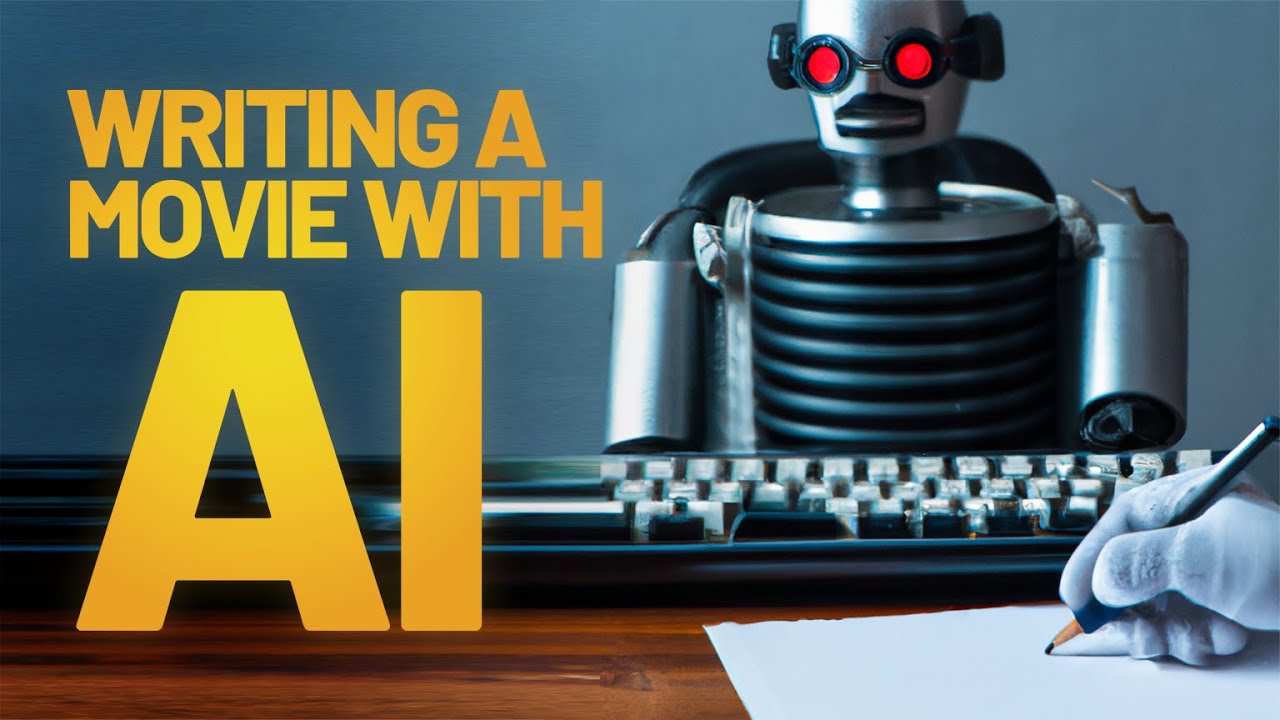
The intersection of artificial intelligence and creative arts has transitioned from speculative fiction to tangible reality, marking one of the most significant cultural shifts of the 21st century. The notion that an AI could write an entire feature film script is no longer a futuristic fantasy but a documented achievement that challenges our fundamental understanding of creativity, authorship, and narrative construction. This groundbreaking development is not merely a technological stunt; it represents a profound evolution in how stories can be conceived, developed, and brought to life. For content creators, filmmakers, and digital strategists, this phenomenon carries immense implications for search engine visibility, audience engagement, and the economics of content production, including platforms like Google AdSense. This comprehensive analysis delves deep into the mechanics, implications, and future potential of AI-generated screenwriting, offering insights far beyond the surface-level headlines.
A. The Technical Architecture Behind AI Screenwriting
To appreciate the feat of an AI writing a feature film, one must first understand the sophisticated technological frameworks that make it possible. This is not about simple mad-lib style template filling, but about complex, layered systems.
-
Foundation Models and Large Language Models (LLMs): At the core of modern AI screenwriting are LLMs like OpenAI’s GPT series, Google’s Gemini, or other specialized transformers. These models are trained on petabytes of textual data from the internet including thousands of screenplays, novels, dialogue transcripts, and critique allowing them to learn the intricate patterns of language, plot structure, character archetypes, and genre conventions.
-
Specialized Training and Fine-Tuning: While general-purpose LLMs can write prose, creating a viable screenplay requires fine-tuning. Developers train these models on curated datasets of award-winning scripts, structuring the data to emphasize elements like scene headings (INT./EXT.), character cues, dialogue, and parentheticals. This teaches the AI the specific format and rhythm of screenwriting.
-
Prompt Engineering and Directives: The “writing” process begins with sophisticated prompting. A human writer (often called a “prompt engineer”) doesn’t just type “write a sci-fi movie.” Instead, they provide a multi-layered directive: “Generate a 90-page feature film screenplay in the cyberpunk genre. The protagonist is a disillusioned data-hacker with a moral dilemma. Include a three-act structure with an inciting incident on page 12, a low point at the end of Act II, and a twist in the finale. Incorporate themes of transhumanism and privacy.” The AI then uses this blueprint to generate coherent narrative content.
-
Iterative Refinement and Human-in-the-Loop (HITL): The first output is rarely perfect. The process becomes a collaborative dance: the AI generates a scene, the human editor provides feedback (“make the dialogue more tense,” “this character’s motivation is unclear”), and the AI revises. This HITL model is crucial for achieving professional quality, blending algorithmic speed with human creative judgment.
B. Deconstructing a Landmark Case: “The Last Blockbuster” or Similar Projects
While several projects have claimed the title, examining a hypothetical composite of these initiatives reveals the process. Let’s consider an AI-film project titled “Synthetic Dawn.”
-
Phase 1: Concept and World-Building: The human team defined core parameters: a psychological thriller set in a near-future where emotions are commoditized. They fed the AI background lore, character bios, and thematic goals.
-
Phase 2: Beat Sheet Generation: Using screenwriting theory (like Save the Cat! beats), the AI was tasked to generate a detailed beat sheet outlining the opening image, theme stated, catalyst, debate, all major turns, the climax, and the final image. This served as the narrative skeleton.
-
Phase 3: Scene-by-Scene Expansion: The AI then expanded each beat into individual scenes. Remarkably, it maintained character voice consistency for a sarcastic AI companion and a emotionally-stunted protagonist across 90 pages, something early models struggled with.
-
Phase 4: Dialogue Polishing and Subtext: The most challenging part was infusing dialogue with subtext. Through iterative prompts (“the character is saying yes but meaning no out of fear”), the AI learned to layer meanings, creating exchanges that felt human and nuanced.
-
Phase 5: Formatting and Technical Specifications: AI tools automatically formatted the output to industry standards (Courier font, correct margins, etc.) and even generated suggestive shooting script elements like “CLOSE UP on the glitching hologram” based on the scene’s emotional tone.
The resulting script was a viable, shootable document that attracted director and actor interest, proving the concept’s commercial potential.
C. The Unmatched Advantages of AI in Screenwriting and Content Creation
The use of AI for feature film writing offers compelling advantages that are reshaping the content landscape, with direct benefits for SEO and monetization.
A. Unprecedented Speed and Volume: An AI can generate narrative concepts, outlines, and draft scenes in minutes, compressing a process that traditionally takes months. For content websites, this means the ability to produce vast amounts of high-quality, long-form, SEO-optimized articles, scripts, and stories to drive traffic and AdSense impressions.
B. Democratization of Storytelling: AI lowers the barrier to entry. Aspiring filmmakers without resources to hire writers can develop professional-grade scripts. Similarly, digital marketers can generate creative ad copy, video scripts, and narrative content at scale.
C. Data-Driven Creative Decisions: AI can analyze successful films in a genre to suggest plot points, character traits, and even dialogue styles with proven audience appeal. This analytical approach mitigates creative risk, a valuable asset for studios and publishers alike.
D. Overcoming Creative Block: For human writers, AI serves as a boundless brainstorming partner, generating ideas for plot twists, character names, or resolving narrative dead ends, thus enhancing overall productivity.
E. SEO and Content Strategy Integration: An AI-written film script about “urban sustainability” can be deconstructed into dozens of SEO-rich articles (“The Architecture in Synthetic Dawn,” “Theming Climate Anxiety in Film,” “Costume Design for a Cyberpunk Future”), creating a content cluster that dominates search results for related keywords, thereby maximizing organic reach and ad revenue potential.
D. Navigating the Ethical and Creative Minefield
This revolution is not without its profound controversies and challenges that must be thoughtfully addressed.
A. The Originality and “Soul” Debate: Can an algorithm, which remixes its training data, truly create something original? Critics argue AI scripts lack the intangible “soul” the personal experience and emotional truth that defines great art. The output is often seen as technically proficient but emotionally derivative.
B. Authorship and Intellectual Property: This is a legal grey area. Who owns the copyright? The prompt engineer? The developer of the AI? The owner of the training data? Current copyright law typically requires human authorship, leaving many AI-generated works in a protection limbo, which poses a risk for commercial projects.
C. Bias and Perpetuation of Stereotypes: Since AIs learn from existing human-created data, they can perpetuate and even amplify societal biases present in that data. An AI trained on decades of screenplays might default to gendered stereotypes, racial tropes, or clichéd narratives unless carefully guided and audited.
D. The Economic Impact on Writers: The threat of job displacement is real. If studios can generate cheap first drafts or even final scripts via AI, it could devalue the profession of screenwriting, leading to industry-wide upheaval and a loss of cultivated human expertise.
E. The Future Landscape: Collaboration, Not Replacement
The most likely future is not one where AI replaces human writers, but where it becomes an indispensable collaborative tool, much like digital cameras or editing software.
A. The Rise of the “AI-Augmented Writer”: The writer of the future will be a curator, editor, and director of AI outputs. Their role will shift from drafting every word to providing high-level creative vision, emotional depth, and nuanced cultural context that AI cannot replicate. They will be skilled prompt architects and critical editors.
B. Hyper-Personalized and Dynamic Content: Imagine interactive films where an AI alters subplots in real-time based on viewer sentiment, or marketing videos personalized for different demographics. AI enables dynamic storytelling at an individual level, opening new avenues for engagement.
C. New Genres and Narrative Forms: Freed from conventional human cognitive patterns, AI might pioneer entirely new narrative structures non-linear story webs, multi-perspective symphonies, or plots based on mathematical models expanding the art form itself.
D. SEO and Content Marketing Evolution: For digital creators, AI tools will allow for the real-time generation of content that answers trending search queries, auto-generates video scripts from blog posts, and creates multilingual content clusters, fundamentally optimizing the traffic-revenue funnel.
Conclusion: Embracing a Symbiotic Creative Future
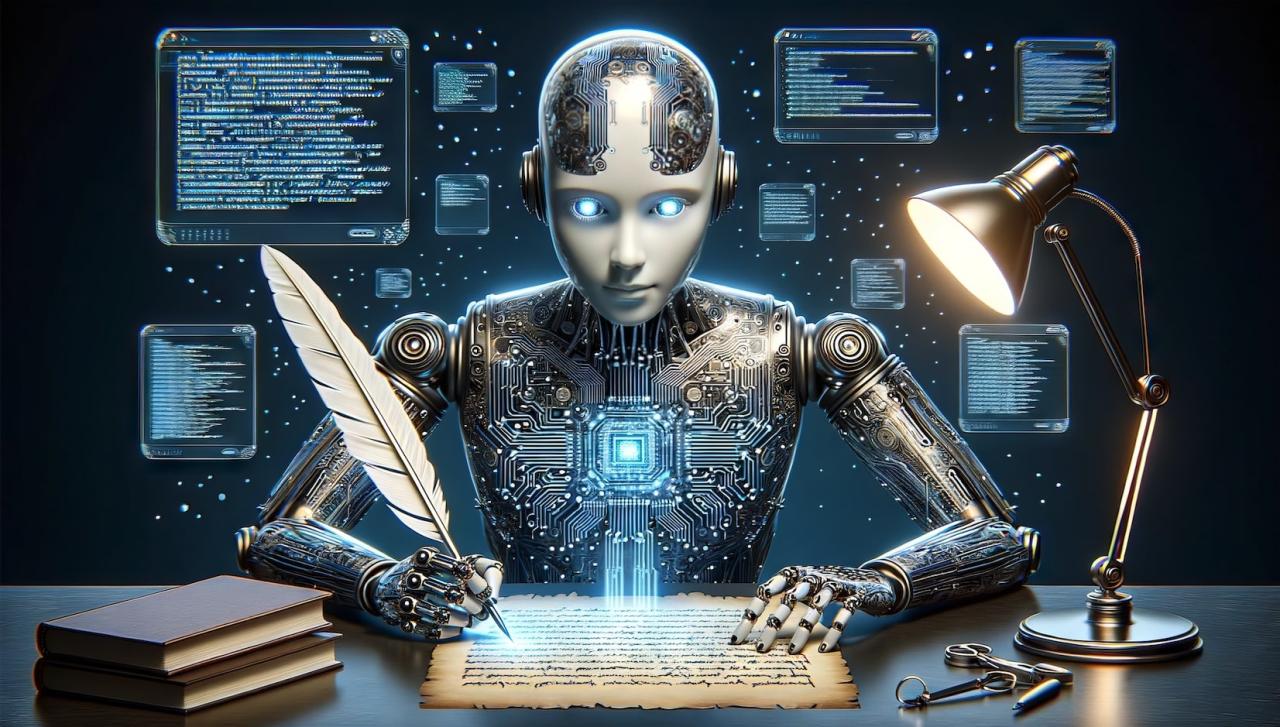
The achievement of an AI writing a complete feature film is a watershed moment, signaling a irreversible shift in the creative industries. It is a powerful tool of immense potential, capable of democratizing creation, enhancing productivity, and unlocking novel forms of expression. However, it is not a panacea or an autonomous artist. Its true power is unlocked in symbiosis with human creativity, judgment, and ethical oversight. For entrepreneurs, content creators, and filmmakers, the imperative is to engage with this technology proactively understanding its capabilities, mitigating its risks, and strategically integrating it into workflows. By doing so, we can harness AI to tell more stories, reach wider audiences, and explore the uncharted territories of narrative, all while optimizing for the algorithmic and human hearts that will judge the final product. The future of storytelling is not human versus machine; it is human plus machine, co-authoring the next chapter of our collective imagination.