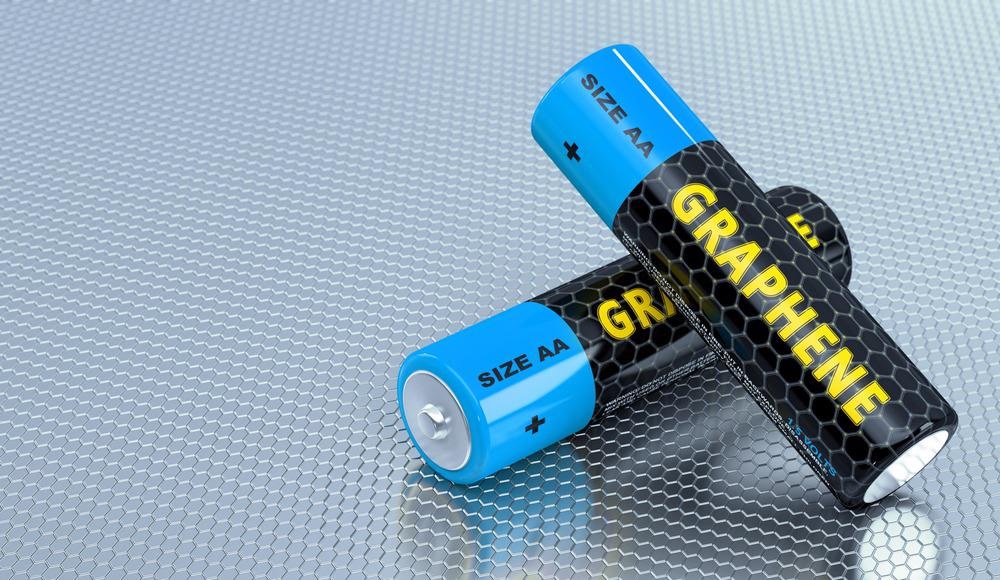
We live in a world perpetually on the go, yet constantly held back by the slow, draining heartbeat of modern technology: the lithium-ion battery. The daily ritual of plugging in our smartphones, the range anxiety haunting electric vehicle (EV) drivers, and the logistical nightmares of storing renewable energy are all symptoms of a fundamental energy storage limitation. For decades, incremental improvements have offered mere percentage points of extra life, leaving us tethered to outlets. But a revolutionary change is brewing in the labs, promising not just an evolution, but a total redefinition of power dynamics. At the forefront of this revolution is graphene, a material so extraordinary it seems plucked from science fiction. Recent breakthroughs hint at a near future where “charging for hours” becomes an archaic concept, replaced by the reality of graphene-based batteries that can recharge in mere seconds. This article delves deep into the science of this potential, exploring how graphene works, the current state of research, the monumental implications across industries, and the challenges that stand between today’s prototypes and tomorrow’s mainstream reality.
I. Understanding the Foundation: Why Current Batteries Fall Short
To appreciate the graphene revolution, one must first understand the limitations of the incumbent champion: the lithium-ion (Li-ion) battery.
A. The Lithium-Ion Workflow: Inside a Li-ion battery, lithium ions shuttle between a cathode (typically a metal oxide) and an anode (usually graphite) through a liquid electrolyte. Charging forces ions from the cathode to the anode, where they are stored. Discharging reverses the flow, releasing energy. The speed of this process is constrained by several factors.
B. Key Bottlenecks:
1. Anode Material Limitations: Graphite anodes have a relatively low theoretical capacity for storing lithium ions. More critically, they can only accept ions at a certain rate. Pushing them too fast risks forming metallic lithium dendrites—needle-like structures that can short-circuit the battery, causing overheating or fire.
2. Ion Diffusion Speeds: The journey of lithium ions through the electrolyte and into the anode material is inherently slow. The electrolyte’s conductivity and the anode’s internal structure create resistance, limiting charge and discharge rates.
3. Thermal Management: Fast charging generates significant heat due to internal resistance. Li-ion batteries are highly sensitive to temperature; excessive heat accelerates degradation and poses serious safety risks, necessitating complex and bulky cooling systems, especially in EVs.
These intrinsic limitations create the charging plateau we experience. Graphene, with its unique suite of properties, proposes to dismantle each of these bottlenecks.
II. Graphene: The “Wonder Material” Primer
Graphene is not merely a new ingredient; it’s a fundamentally different class of material.
A. What is Graphene? It is a single, two-dimensional layer of carbon atoms arranged in a perfect hexagonal lattice, resembling atomic-scale chicken wire. It is the basic structural element of other carbon allotropes like graphite (stacked graphene), carbon nanotubes (rolled graphene), and fullerenes.
B. Extraordinary Properties: This simple arrangement yields unparalleled characteristics:
1. Unrivaled Electrical Conductivity: Electrons move through graphene with extremely low resistance, behaving like massless particles. It conducts electricity far better than copper.
2. Exceptional Thermal Conductivity: It disperses heat more efficiently than any known material, a critical trait for managing the thermal load of rapid energy transfer.
3. Mechanical Strength & Flexibility: It is about 200 times stronger than steel while being remarkably lightweight and flexible.
4. Immense Surface Area: A single gram of graphene can cover an area of over 2,500 square meters. This vast surface is crucial for hosting and facilitating rapid reactions with ions.
III. Engineering the Speed: How Graphene Enables Second-Scale Charging
Graphene can be integrated into batteries in several ways, each targeting the weaknesses of traditional designs to unlock blistering speeds.
A. Graphene as a Supercapacitor Hybrid Enhancer: This is the most direct path to ultra-fast charging. Supercapacitors store energy electrostatically on the surface of materials, allowing for near-instantaneous charge and discharge but with poor energy density (they can’t hold much power for long). Graphene bridges the gap.
* Mechanism: By using graphene as the electrode material in a hybrid system, its massive surface area allows for the adsorption of a huge number of ions very quickly, akin to a supercapacitor. Simultaneously, engineered pores or composite structures with lithium or other materials can enable deeper, bulk electrochemical storage like a battery. The result is a device that combines the high-power density (speed) of a supercapacitor with the high-energy density (capacity) of a battery.
B. Graphene as an Advanced Anode Material: Replacing or augmenting the graphite anode with graphene or its composites is a highly researched approach.
* Mechanism: Graphene’s structure can accommodate lithium ions on both sides of its sheet and along its edges, potentially offering higher capacity. More importantly, its high conductivity and open structure drastically reduce ion diffusion distances and resistance. Ions can zip in and out of the anode matrix with minimal hindrance, enabling incredibly fast charging without the same risk of dendrite formation as graphite.
C. Graphene as a Conductive 3D Scaffold: Here, graphene is used to build a porous, three-dimensional network within the electrode.
* Mechanism: Think of this as a multi-layered, ultra-conductive highway system for ions and electrons. This scaffold provides immense surface area for reactions, shortens ion transport paths, and maintains structural integrity during rapid charge-discharge cycles. It also efficiently dissipates heat.
D. Graphene in Electrolytes and Separators: Graphene oxide or functionalized graphene can be used to create solid-state or composite electrolytes that are safer and can conduct ions faster than liquid alternatives. Graphene-enhanced separators can improve thermal stability and prevent dendrite penetration.
IV. Beyond Speed: The Multifaceted Advantages of Graphene Batteries
While instant charging captures headlines, the benefits of graphene integration extend far beyond just speed, addressing core demands of the 21st century.
A. Dramatically Extended Lifespan: The degradation of Li-ion batteries stems from physical stress during cycling. Graphene’s strength and flexibility allow electrodes to withstand the repeated expansion and contraction of charge cycles with minimal damage. Prototypes have demonstrated cycle lives tens of thousands of times longer than current batteries, suggesting devices that outlive their host products.
B. Enhanced Energy Density: Through clever engineering of graphene composites (e.g., with silicon or sulfur), researchers aim to pack more active energy-storing material into a smaller space. This could lead to EV batteries that are lighter and smaller yet offer ranges of 500, 800, or even 1,000 miles on a single charge, or smartphones that last a week under normal use.
C. Superior Safety Profile: Graphene’s excellent thermal conductivity helps distribute heat evenly, preventing dangerous hot spots. When used in solid-state designs or robust separators, it significantly reduces the risk of leaks, fires, and explosions caused by thermal runaway a paramount concern for EVs and large-scale grids.
D. Environmental and Sustainability Potential: While production challenges exist, graphene itself is carbon-based and nontoxic. Longer-lasting batteries mean less frequent manufacturing and far fewer units ending up in landfills. Furthermore, by enabling efficient grid storage for solar and wind, graphene batteries could be a key enabler of a sustainable energy ecosystem.
V. A Future Powered by Graphene: Transformative Applications
The commercialization of mature graphene battery technology would trigger a domino effect across the global economy.
A. Electric Mobility Revolution: This is perhaps the most anticipated application. Instant charging (akin to refueling a gas car) would obliterate range anxiety and charging wait times. Coupled with higher energy density, it could lead to lighter, cheaper EVs with phenomenal range, accelerating the global shift away from fossil fuels. Public transport, aviation (electric planes), and maritime shipping would also be transformed.
B. Consumer Electronics Reimagined: Imagine a world where your laptop charges fully during a coffee break, your wireless earbuds gain a week’s power in 30 seconds, and your smartphone is never dead because a 2-minute plug-in grants a full day’s energy. This convenience would fundamentally alter our interaction with technology.
C. Renewable Energy Grid Stabilization: The intermittent nature of solar and wind power is a major hurdle. Graphene-based storage stations could charge incredibly fast during peak generation (e.g., a sunny afternoon) and discharge just as fast during high demand (evening), making renewable sources as reliable and dispatchable as traditional power plants.
D. Medical Device Breakthroughs: Implantable medical devices like pacemakers or neural stimulators could be made smaller with longer, safer lifespans, reducing the need for replacement surgeries. Rapid-charging for powered exoskeletons and advanced prosthetics would enhance mobility and quality of life.
E. High-Power Industrial and Military Uses: From powering heavy machinery and backup systems for data centers to enabling new classes of directed-energy weapons and soldier-borne equipment, the high-power delivery of graphene systems would open new frontiers in industry and defense.
VI. The Road to Market: Navigating Challenges and the Path Forward
Despite the glowing potential, the path from laboratory wonder to store shelf is fraught with significant hurdles.
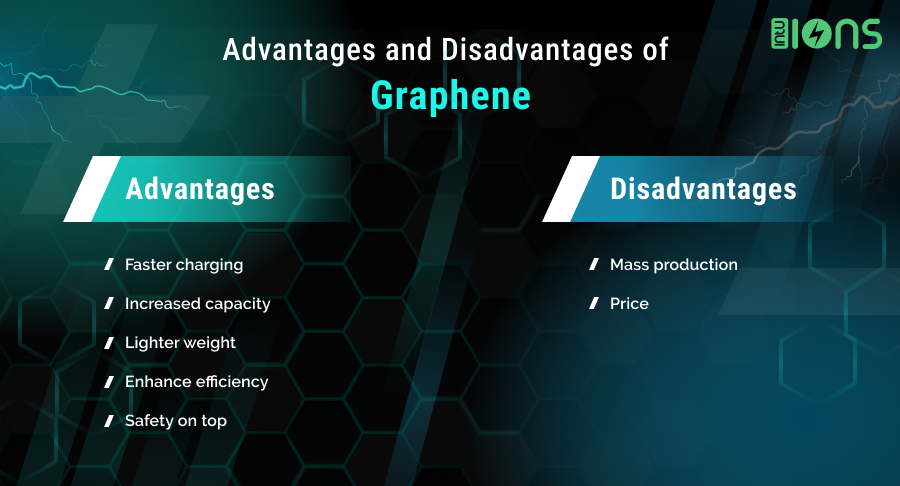
A. Scalable and Cost-Effective Production: Producing high-quality, defect-free graphene in large volumes remains expensive and complex. Methods like chemical vapor deposition (CVD) are precise but not yet suited for mass battery production. Chemical exfoliation is more scalable but can introduce impurities. The cost per kilogram must fall dramatically to be competitive with established battery materials.
B. Material Integration and Stability: Perfectly incorporating graphene sheets into a practical, dense, and stable electrode architecture that performs consistently over thousands of cycles is an immense engineering challenge. Preventing graphene sheets from restacking (which reduces their surface area advantage) is a key focus.
C. The Full System Challenge: A battery is more than its electrodes. Developing compatible electrolytes, separators, and manufacturing processes for a graphene-dominant system is essential. The entire supply chain, from material refining to cell assembly, would need to be reinvented.
D. Competition from Incremental Improvements: While graphene research advances, the Li-ion industry is not standing still. Silicon-anode batteries, solid-state batteries, and improved lithium-sulfur designs are all progressing rapidly, offering significant upgrades over today’s technology and competing for the same market.
Conclusion: The Impending Paradigm Shift
The promise of the graphene battery epitomized by the vision of charging in seconds represents more than a convenient upgrade; it signifies a potential paradigm shift in our relationship with energy. It is a cornerstone technology for a future of clean transportation, resilient renewable grids, and truly untethered electronic devices. While formidable scientific and economic challenges persist, the pace of global research is accelerating. The “wonder material” graphene, once a theoretical curiosity, is steadily being engineered into tangible solutions that address the most pressing limitations of the energy storage status quo. The era of waiting for our devices to charge is destined to become a relic of the past. We are on the cusp of an energy revolution, powered by carbon atoms arranged in a perfect hexagon, charging towards us at lightning speed.